

Parts Engineering for Classic and Heritage Vehicles
We provide engineering-led reproduction of automotive components that are no longer available through conventional supply channels. This includes parts that are obsolete, damaged beyond repair, or were originally manufactured in limited production runs.
Our focus is on producing components that are dimensionally correct, functionally reliable, and appropriate for long-term use within classic and heritage vehicles.
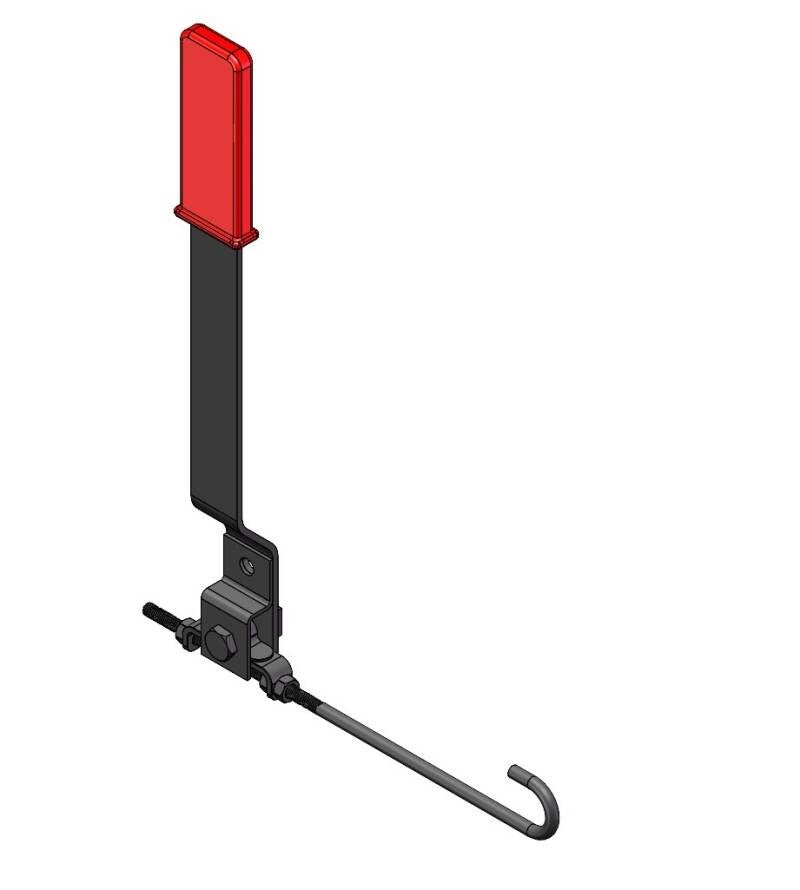
What We Engineer
We undertake parts engineering projects across a wide range of classic automotive applications. Work is typically commissioned on a one-off or low-volume basis and assessed individually.
Typical component types include:
- Mechanical and structural components
- Brackets, mounts, and fixings
- Repair sections and fabricated parts
- Detail components required for accurate restorations
- Parts originally produced in small quantities or no longer supported
Where original parts exist, these are used as the primary reference. Where they do not, alternative reference material is assessed.
Reverse Engineering from Original Components
Where original drawings or specifications are unavailable, components are reverse engineered from existing samples. This may include worn, damaged, or incomplete parts.
Reverse engineering work typically involves:
- Dimensional measurement and inspection
- Assessment of original manufacturing intent
- Identification of functional interfaces and tolerances
- Evaluation of material suitability
Where required, CAD models are produced to support accuracy, repeatability, or future manufacture.

Materials and Manufacturing Approach
Material selection and manufacturing method are determined on a project-by-project basis. Consideration is given to original specification, functional loading, service environment, and practical manufacturing constraints.
Where original manufacturing methods are no longer viable, modern processes are used selectively to achieve the correct outcome without compromising fit, appearance, or function.
Any material or process deviations are discussed and agreed prior to manufacture.

Project Assessment
Each project is assessed before work begins to confirm feasibility and suitability. This assessment considers:
- Technical feasibility
- Dimensional accuracy requirements
- Material suitability
- Manufacturing method
- Expected service conditions
- Lead time and quantity
This process ensures that proposed solutions are realistic, appropriate, and aligned with the intended application.
Accuracy, Function, and Service Life
The objective is not visual approximation, but components that fit correctly, function as intended, and support long-term service use of heritage vehicles.
Particular attention is paid to:
- Mounting interfaces
- Tolerance stack-up
- Functional alignment
- Repeatability where multiple parts are required
Where compromises are unavoidable, these are identified early and agreed before manufacture proceeds.
Typical Clients and Applications
Parts engineering services are typically commissioned by:
- Private collectors
- Restoration specialists
- Specialist vehicle workshops
- Enthusiast groups and clubs
- Low-volume heritage projects
Projects range from single components through to small production runs where consistent quality and accuracy are required.
Initiating a Parts Engineering Project
To begin a project, clients are asked to provide as much of the following information as possible:
- Clear photographs (multiple angles)
- Measurements or sketches where available
- An original component, if one exists
- Vehicle make, model, and year
- Intended use and quantity required
This information allows an initial technical review and enables accurate advice on feasibility, approach, and lead time.
Discuss a Part Requirement
If you have a component that cannot be sourced, or a project stalled due to an unavailable part, provide details and we will advise on the most appropriate engineering route forward.
Part of Eaton Heritage Ltd